Launching New-to-World Tech at Amazon Halo
Background
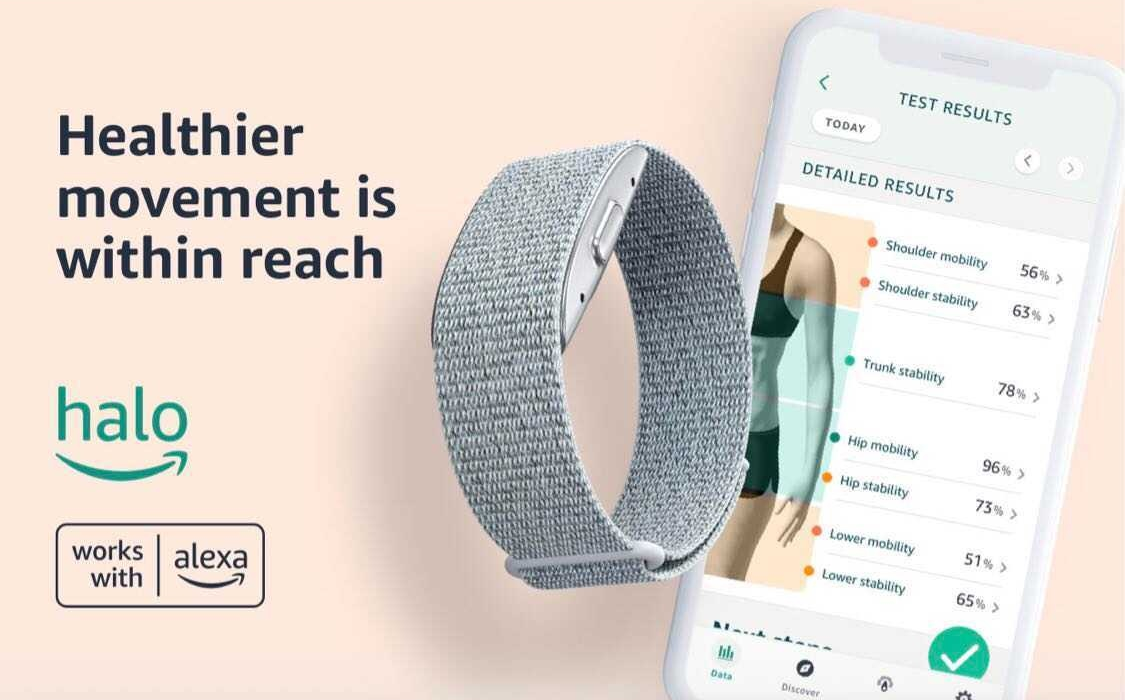
Amazon Halo was Amazon’s health and fitness platform: a wearable plus app competing in a market dominated by Fitbit and Apple Watch. Movement Health was its first Tier 1 feature launch. New-to-world technology that used your smartphone camera and computer vision to assess flexibility, stability, and posture across everyday movements like lifting, bending, squatting, and walking.
This was supposed to be the category differentiator, the thing no competitor could do, and it needed to drive both incremental unit sales and broader awareness. The goal was 20% of existing members trialing the feature within four weeks.
I owned the full go-to-market: positioning, messaging, launch strategy, creative direction, and cross-functional coordination across product, PR, creative, and legal.
The entire strategy for Movement Health came down to translating “computer vision mobility assessment” into “will my back hurt less?”
The Problem
“Movement health” isn’t a concept anyone wakes up thinking about. People understand steps. They understand heart rate. They understand sleep. But “a measure of your body’s flexibility, stability, and posture for everyday activities”? That’s a sentence you have to read twice, and if your marketing makes people read twice, you’ve already lost most of them.
Then there was the trust problem. The feature required users to stand in front of their smartphone camera and perform specific body movements. In 2021, asking people to record vulnerable footage of their body and send it to Amazon was a significant barrier. Halo already had a camera-based body composition feature that had drawn scrutiny. Movement Health added to that concern.
So the positioning challenge came down to three things: explain a concept that doesn’t exist yet, make it feel relevant to daily life, and build trust around a feature that asks a lot of the user before it delivers any value.
What I Did
Led with function, not technology. The easiest trap with new-to-world tech is to lead with how impressive the technology is. Computer vision! AI-driven assessment! But the people we were targeting, existing Halo members who were inconsistent with their health goals, didn’t care about the tech. They cared about whether their back would hurt when they picked up their kid. So the positioning anchored on everyday function: flexibility, stability, and posture for the movements you actually do. Not flashy. But it made immediate sense to the person reading it.
Built the messaging around three pillars that answered the questions people would actually ask. Accuracy (>95% agreement with a trained professional), efficacy (statistically significant improvement in as little as two weeks), and privacy (videos encrypted, processed in seconds, deleted within 12 hours). The privacy pillar was deliberate. Most health tech companies avoid the privacy conversation and hope nobody brings it up. We made it a headline.
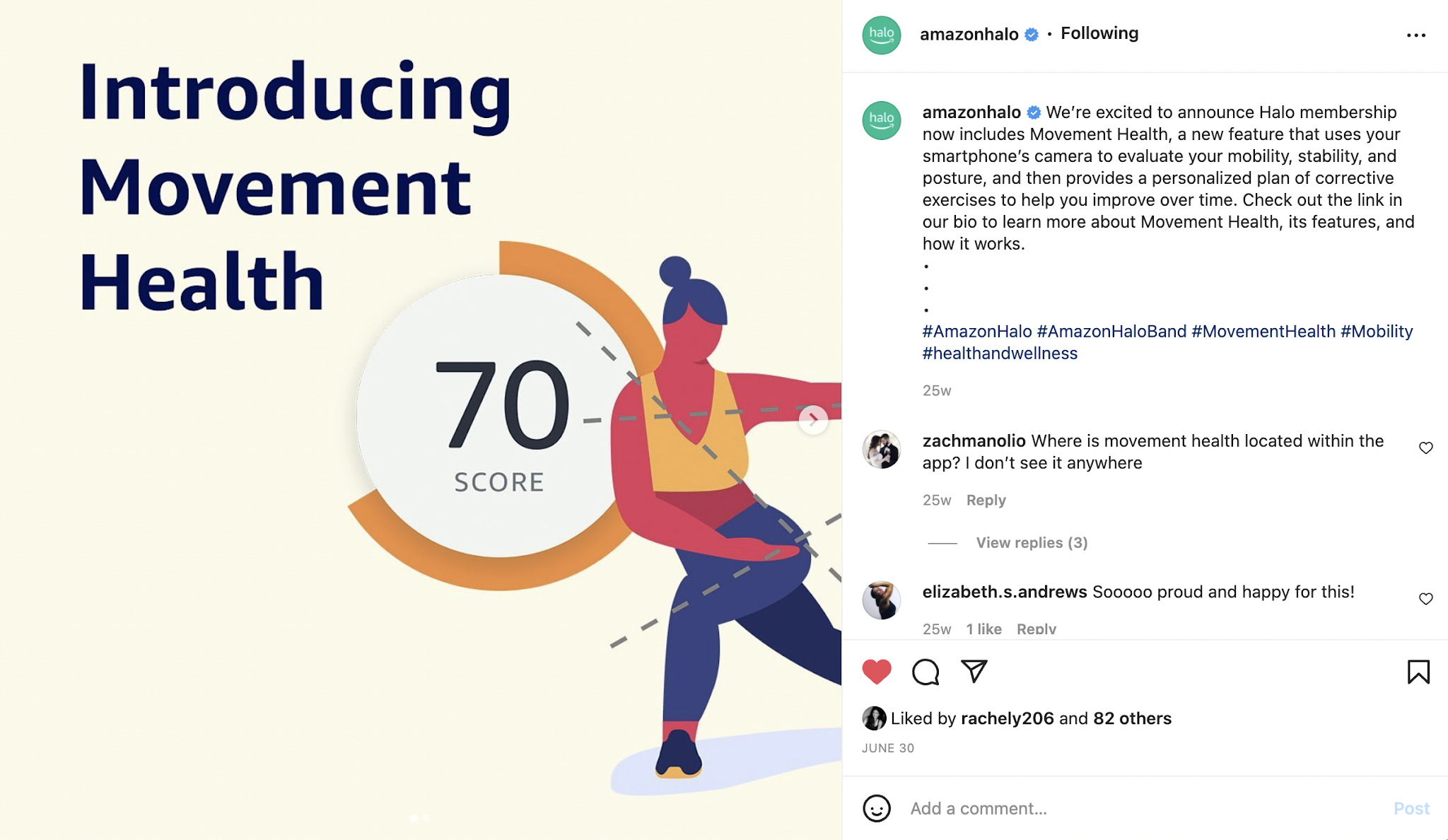
Ran a phased launch instead of a big bang. Announcement on June 3 to create awareness. Hub and Feed tease on June 11 to build anticipation. Prime Day on June 21-22 to capitalise on traffic for hardware sales. Feature launch on June 29. Each phase had specific creative and channel strategy, not just “post about it again.”
Killed the lifestyle imagery. The initial announce creative led with lifestyle photography. It looked fine. It underperformed.

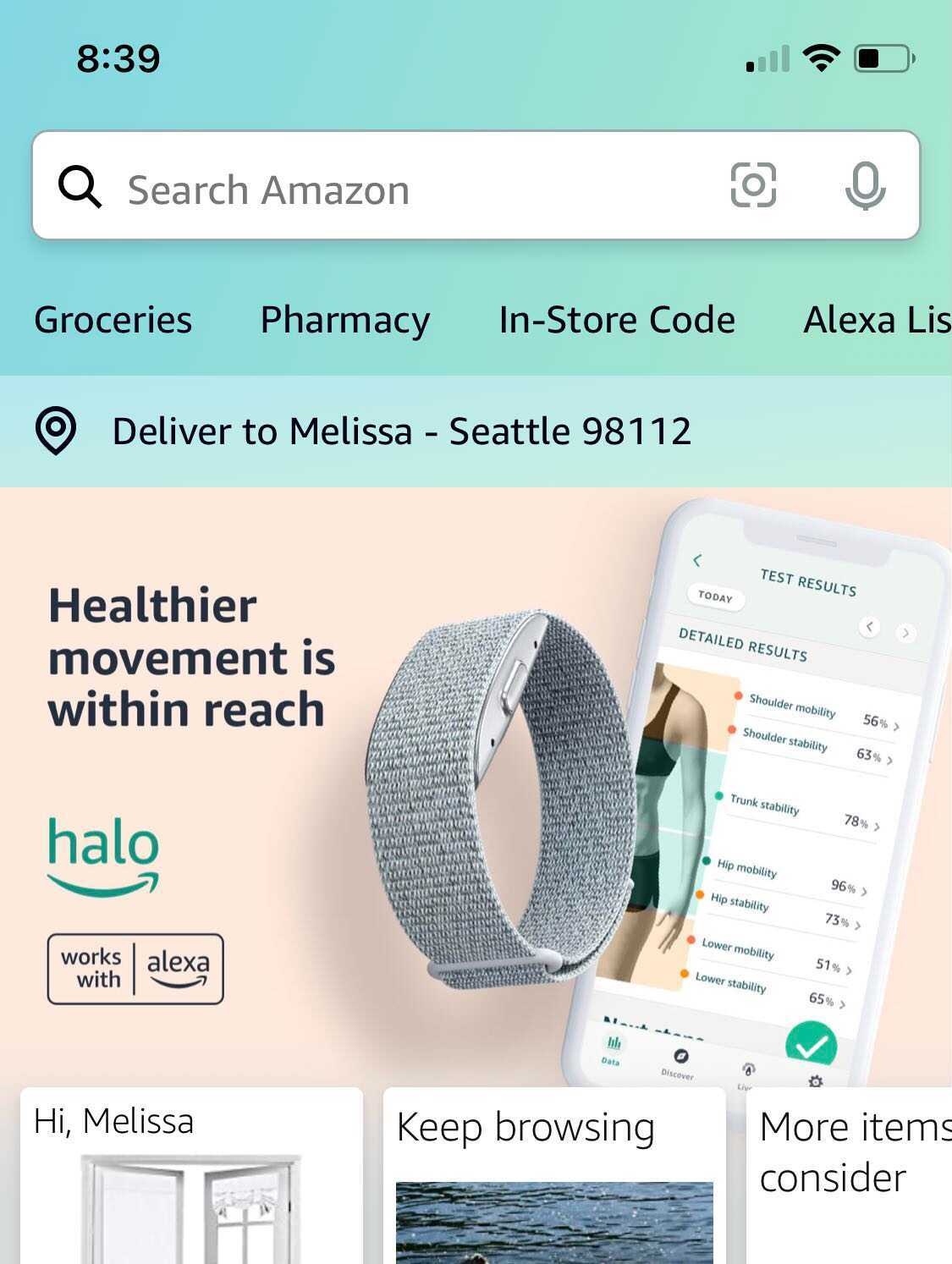
I pushed for product-forward creative that showed the actual feature UI and what the experience looked like. The result was an 80% CTR improvement on mobile.
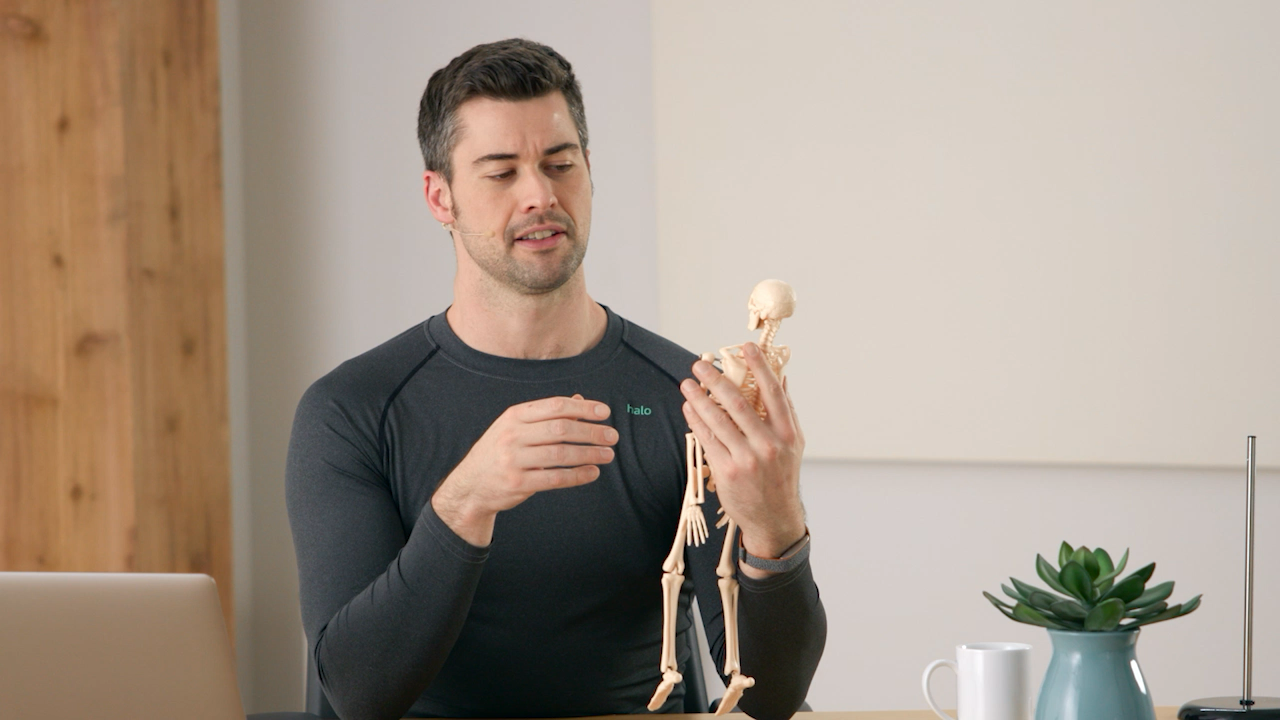
Created an explainer video when the data told me education was the bottleneck. “Ask a Trainer” was a video with a fitness professional walking through what Movement Health actually does and why it matters. It outperformed static desktop creative by 134%. When your feature requires people to understand something new before they’ll try it, a well-made explainer is the highest-leverage thing you can build.
The campaign ran across every channel: Amazon.com gateway, onsite product pages, email, social, and in-app notifications.
The Result
- 26% of members trialed the feature within four weeks, 30% above the 20% target
- 70MM+ impressions on Amazon.com gateway placements
- 29 media hits across announcement and launch, with neutral to positive sentiment
- 80% CTR improvement from mobile creative optimisation
- 134% CTR improvement from the explainer video vs. static desktop creative
Some things didn’t land. The NY Times editorial placement underperformed. A first-run video update we pushed for turned out to be wasted effort. Generic reminder notifications didn’t drive engagement because they needed personalisation we didn’t have time to build. And while the launch drove strong trial numbers, ongoing retention remained a challenge. Next time I’d set clearer expectations upfront about what a launch can and can’t solve for.
Key Takeaway
The instinct with complex technology is to lead with the complexity. But people don’t adopt features because they’re impressed. They adopt features because they understand what it does for them, specifically, today. The positioning work and the creative optimisation were two sides of the same problem: making something unfamiliar feel obvious. The 134% lift from the explainer video came from the same insight that shaped the entire strategy. When people don’t understand what you’re offering, you don’t need to say it louder. You need to say it better.